About a year ago, I first tried a continuous glucose monitor (CGM).
At the time, I was starting to get concerned about my blood sugar and the possibility of being labeled pre-diabetic. When over-the-counter (OTC) CGMs became available, I decided to give one a try.
The problem? I didn’t really have a plan.
I ordered a one-month supply, wore both sensors… and then stopped. While I found the data interesting, I didn’t make many lifestyle changes, and I wasn’t really sure how to use the information in a meaningful way.
Fast forward several months.
I was still concerned about my glucose levels and that pre-diabetic range—and I was also frustrated with my inability to lose weight or even stop gaining.
This time, I did things differently.
I researched and found a structured program that focused on using a CGM for weight loss. I joined the program first, and then ordered my CGM.
That made all the difference.
If you’re just getting started, this is the guide I wish I had the first time—a simple, no-fluff way to choose the right CGM, especially if your goal is weight loss and understanding how your body responds to food.
Medical Note: This content is for educational purposes only and reflects my personal experience and research. It is not medical advice. Always consult your healthcare provider before making health decisions based on this information. Read my full Medical Disclaimer here.
What Is a Continuous Glucose Monitor (CGM)?
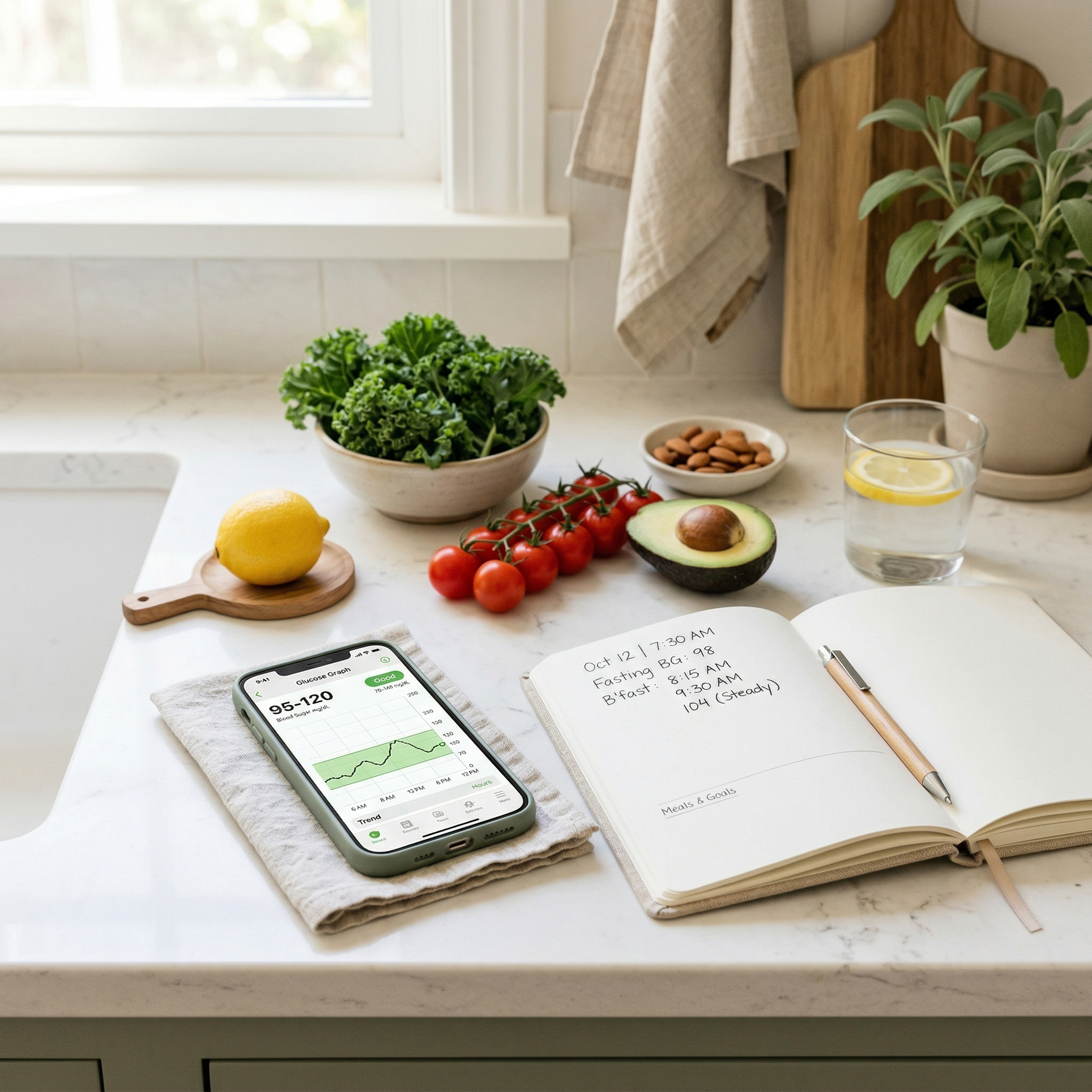
A continuous glucose monitor is a small wearable sensor that tracks your glucose levels throughout the day and night.
It’s typically worn on the back of your arm and sends data to an app on your phone. Instead of a single reading, you see:
- Trends
- Spikes after meals
- Drops between meals
- Patterns over time
This is what makes CGMs so helpful—especially when you’re trying to connect food, habits, and how your body responds.
OTC vs Prescription CGMs (What Beginners Should Know)
This is one of the most confusing parts when you’re starting out.
There are two main ways people get CGMs:
Over-the-Counter (OTC)
- Purchased directly online or in pharmacies
- Designed for general wellness and lifestyle use
- Typically not covered by insurance
Prescription CGMs
- Ordered through a healthcare provider
- Often used for diabetes management
- May be covered by insurance depending on your situation
If you’re interested in going the prescription route, talk to your healthcare provider to see if you qualify for coverage.
If not, OTC options are widely available, and many people use FSA or HSA funds to help offset the cost.
How To Choose the Right CGM (Step-by-Step)
1. Start With Your Goal
Before choosing a device, take a minute to think about what you want to get out of using a CGM.
Common reasons include:
- Weight loss
- Reducing sugar cravings
- Improving energy
- Learning which foods work for your body
- Supporting metabolic health
For me, this was the biggest missing piece the first time.
2. Decide Between OTC and Prescription
This step helps narrow things down quickly
- Both prescription and over-the-counter options are available—talk with your healthcare provider about which may be the best fit for you
Both can be effective—it just depends on your situation and goals.
Where to Buy a CGM
If you’re just getting started, this is one of the most common questions.
Most people currently purchase CGMs in one of three ways:
- Online directly from the manufacturer or company
This is the most common option for OTC devices. It’s usually the easiest way to get started and often includes subscription options. - Through a structured program
Some programs include the CGM along with education, coaching, and guidance on how to use the data—especially for weight loss. - Pharmacies (limited availability)
Some pharmacies may carry CGMs, but availability can vary depending on location and the specific device.
For most beginners, ordering online—either directly or through a program—is the simplest place to start.
3. Focus on the App (Not Just the Sensor)
This is something I didn’t understand the first time—and it’s one of the most important points.
Most CGM sensors—especially OTC ones—are very similar in how they work.
The biggest difference is how the app helps you understand and use your data.
The app is where you:
- See your glucose trends
- Track meals and habits
- Start connecting patterns
- Learn what to change
If your goal is weight loss, this is where the real value is.
4. Compare the Features That Actually Matter
Sensor Features
- Wear time (10–14 days)
- Comfort and size
- Adhesive quality
App Features
- Easy-to-read graphs
- Meal and activity tracking
- Clear insights (not just raw numbers)
- Optional guidance or structured programs
5. Understand the Cost (and Ways to Save)
One thing I’ve noticed is that OTC CGMs tend to have fairly transparent pricing, since you’re buying them directly rather than going through insurance.
A few things to know:
- Many offer subscription discounts
- Some run promotions for first-time users
- FSA and HSA funds can often be used
6. Read Real User Experiences
Look for reviews that mention:
- App usability
- Ease of setup
- Overall experience
Even better—find people using CGMs for the same reason you are, especially weight loss.
What I Wish I Knew Before Using a CGM
You Need a Plan This was my biggest mistake the first time. The data alone didn’t change anything.
The Data Can Feel Overwhelming at First Give yourself time. Focus on patterns, not perfection.
The App Matters More Than You Think The second time around, having guidance made everything click.
Small Adjustments May Be Needed Most people don’t have issues, but occasionally sensors can loosen with sweat or activity. Extra adhesive patches can help if needed.
Common Beginner Challenges
Skin Sensitivity Some users experience mild irritation, which is usually related to the adhesive patch that holds the sensor in place. If you have sensitive skin, consider barrier wipes or hypoallergenic options.
Learning How to Use the Data This takes time—and often guidance. You don’t have to figure it out alone.
Frequently Asked Questions
How often do I replace the sensor? Most last 10–15 days, depending on the device.
Can insurance cover a CGM? If prescribed for medical reasons, some plans may cover it. Talk to your healthcare provider to see what applies to your situation. OTC devices are typically not covered but may be eligible for FSA/HSA.
What’s the best way to learn from the data? This is where many beginners struggle. Having some type of structure or guidance can make a big difference—especially if your goal is weight loss.
Final Thoughts
Choosing your first CGM doesn’t have to be complicated—but having a plan makes all the difference.
Start with this:
- Know your goal
- Decide between OTC and prescription
- Focus on the app—not just the sensor
- Look for support if you need help using the data
The CGM gives you the data…
but learning how to use that data is what actually creates results.
In the next post, I’ll break down the actual CGM options available right now and how to decide which one makes the most sense for you.
If you’re thinking about trying a CGM, comment below—what’s your main goal? Weight loss, energy, or just understanding your body better?